

Cognitive Mapping in Interior Design: Why Some Homes Feel Calm and Easy to Live In
Cognitive mapping in interior design explains how your brain understands, remembers and moves through a home. It is one of the reasons why some spaces feel calm, clear and easy to live in, while others feel confusing, awkward or mentally tiring.
Have you ever walked into a room and instantly felt comfortable?
Or entered another space and felt slightly unsettled, even though the furniture looked beautiful?
This reaction is not only about colour, style or decoration. It is also about how your brain reads the space around you.

Your brain is constantly creating a mental map of your environment. It notices where things are placed, how easy it is to move, where the eye should rest and how each area connects to another.
When a home is well planned, the brain can understand the space quickly. This creates a feeling of ease.
When a home is poorly planned, the brain has to work harder. This can make the space feel more stressful, even if it looks attractive.
This is why cognitive mapping in interior design is so important.
A beautiful home should not only look good in photographs. It should also feel natural, supportive and easy to live in.
What Is Cognitive Mapping?
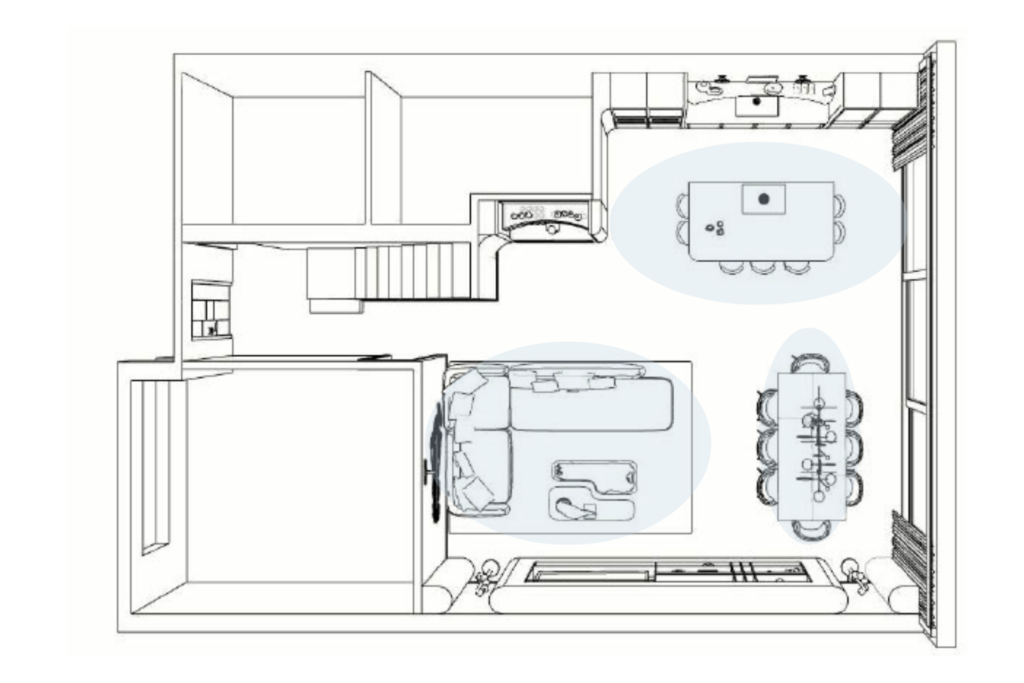
Cognitive mapping is the brain’s ability to build a mental representation of a physical environment.
This mental map helps us understand:
- where things are located
- how different areas connect
- how to move through a space
- where to pause, rest or gather
- how to find our way without feeling confused
Historically, cognitive mapping was essential for survival. Early humans needed to remember where to find food, water, shelter and safe routes.
Today, we may rely more on technology, GPS and digital navigation, but the brain still uses this same system inside homes, workplaces, streets and public spaces.
This means your home is not just something you see.
It is something your brain is constantly interpreting.
Why Cognitive Mapping Matters in Your Home
Cognitive mapping in interior design matters because your home shapes your daily experience.
Your brain does not experience a home as a collection of separate objects. It experiences the home as a sequence.
You enter.
You move.
You pause.
You gather.
You cook.
You rest.
You return.
Every room gives your brain information.
The hallway tells you how you arrive.
The kitchen tells you how you prepare food.
The dining area tells you where connection happens.
The living room tells you where to relax.
The bedroom tells your body it is time to restore.
When these spaces are clear and well connected, your home feels easier to understand.
When they are cluttered, badly arranged or visually confusing, the home can feel harder to live in.
This is why a room can be expensive and beautifully decorated, but still not feel quite right.
Why Some Homes Feel Calm and Intuitive

Some homes feel calm because the brain can read them easily.
There is usually a clear sense of:
- where to walk
- where to sit
- where to look
- where to gather
- where to store things
- where each activity belongs
This creates spatial clarity. Spatial clarity means the home feels organised, not necessarily minimal. A calm home does not have to be empty. It simply needs to make sense.
For example, in a well-designed living room, the seating area feels natural. The eye has somewhere to rest. The walkway is clear. The lighting supports the way the room is used. The furniture placement helps conversation, comfort and movement. The design quietly guides the brain.
You do not have to keep making small decisions about how to use the room. The space already gives you the answer.
This is one of the key benefits of cognitive mapping in interior design.
Why Some Homes Feel Awkward or Mentally Tiring
A home can feel awkward when the layout does not support the way people naturally live.
This can happen when:
- furniture blocks natural movement
- there is no clear focal point
- an open-plan room has no defined zones
- walkways are too narrow
- storage does not match daily habits
- lighting is placed in the wrong areas
- the room feels visually busy
- the layout creates small daily frustrations
These problems may seem minor, but your brain notices them every day.
For example, if you always have to walk around a chair to reach the garden, your body remembers that friction.
If the dining table is too close to the kitchen island, the space may feel cramped.
If the living area has no visual anchor, your eye may not know where to rest.
Over time, these small design issues can make a home feel less calm and less supportive.
Good interior design reduces this friction before it becomes part of daily life.
Cognitive Mapping and Psychology-Led Interior Design
Psychology-led interior design considers how the brain and body experience a home.
It looks beyond surface styling and asks deeper questions:
How does the space make you feel?
Is the layout easy to understand?
Does the home support your daily routines?
Where does your eye naturally rest?
Where does movement feel awkward?
Which areas feel calm, and which feel stressful?
These questions help create interiors that are not only beautiful, but also emotionally and practically supportive.
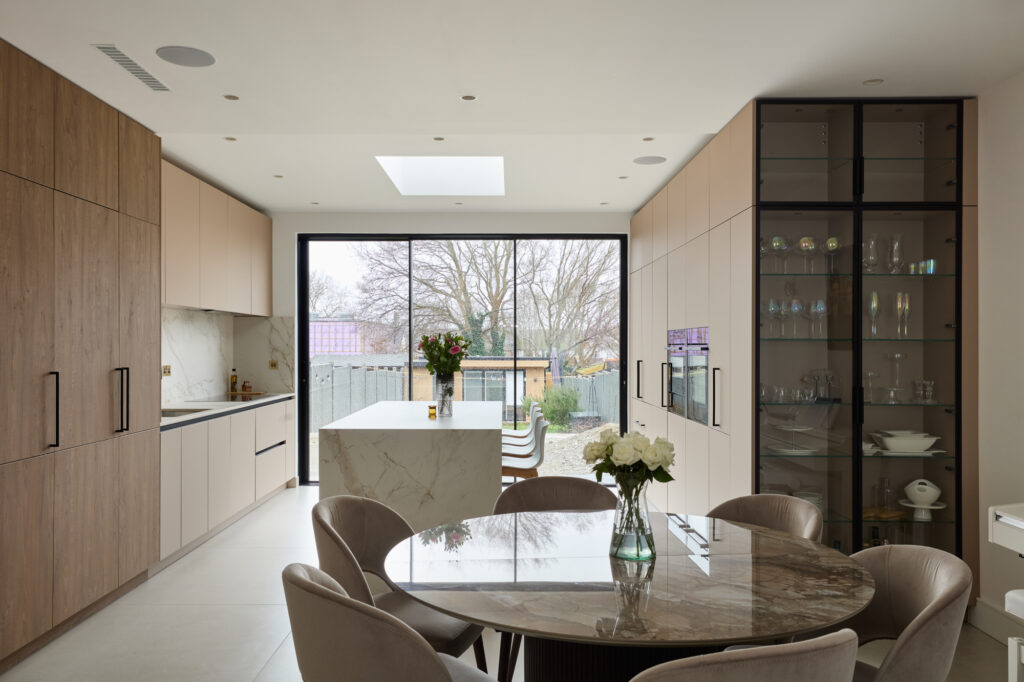
Cognitive mapping shows us that the brain is constantly reading space. It looks for order, landmarks, movement routes, boundaries and meaning. When these elements are clear, a home feels calmer and easier to live in. When they are missing, a home can feel confusing, restless or mentally tiring. This is why interior design is not just decoration. It is the thoughtful shaping of an environment that people experience every day.
If your home looks beautiful but still does not feel quite right, the issue may be the layout, flow or zoning.
At Moni Clayton Interiors, I create psychology-led interiors that help homes feel calm, intuitive and deeply considered.
Book a consultation to explore how your space can better support the way you live.